To feel settled in your new life abroad, it helps to build a routine you can rely on.
It’s completely normal for things to feel out of place when you move to a new country. Sometimes, the reason can be as simple as a change in environment. For example, moving from a hot place like Nigeria to a colder country like Switzerland can feel unfamiliar. While it might seem overwhelming at first, here are steps you can use to build a routine that grounds you and helps your new life abroad feel stable.
1. Reduce mental load with simple routines.

When you move, your brain starts to panic because nothing is automatic anymore. Let’s say you were previously staying in a country like Nigeria, you already knew where everything was.
You knew where to board the bus, the best fun parks around, or libraries around the city. But now you’ve moved to a country like Canada, everything now feels different.
Now you’re suddenly thinking about small everyday things like how to pay for a bus ticket, which brand of milk to buy, or even how to greet your neighbour properly. It can feel exhausting because everything is new and requires effort. That’s why building a simple routine is important. And as your routine grows, so does your sense of ease. This includes making friends, because they might become part of your routine when you have one.
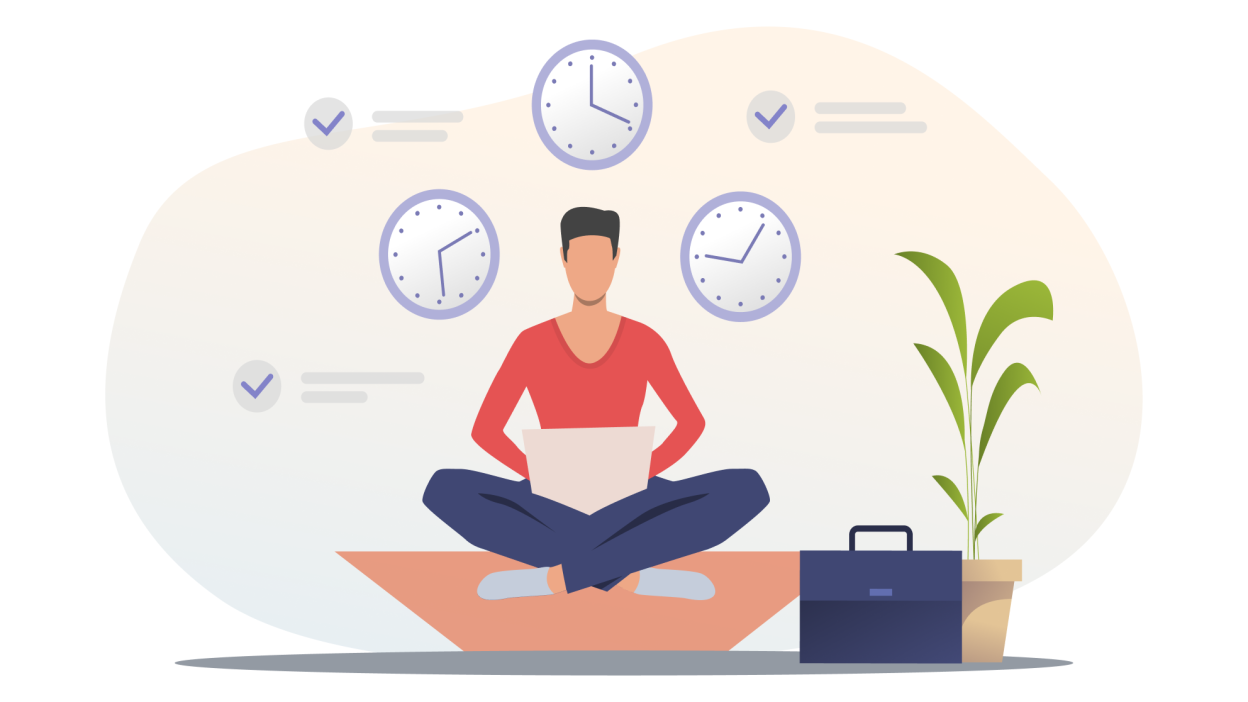
So establish a predictable morning sequence to give your brain a rest. This is supported by science because, according to the American Journal of Lifestyle Medicine, having a predictable daily routines reduces stress and anxiety.
But there’s one thing you have to remember; don’t try to reinvent yourself immediately. If you drank coffee and read the news for twenty minutes every morning back home, find a way to replicate that exact sequence in your new apartment.
2. Respect your circadian realignment.
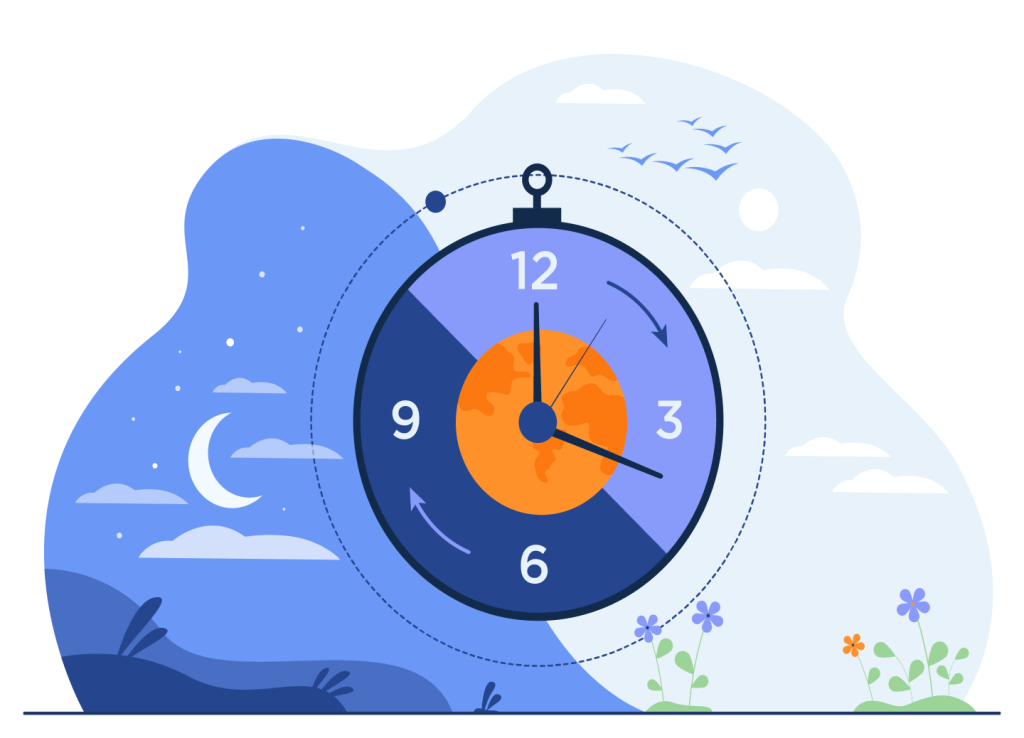
You can’t really build a stable life on an unstable sleep schedule. When you move across time zones, your body clock gets thrown off, and that can affect your mood, digestion, focus, and overall energy.
To reset it, you need to actively anchor yourself to local time. Prioritise morning light exposure, reduce late-night stimulation, and stick to basic sleep hygiene. Research from the Sleep Foundation suggests that your circadian rhythm typically takes about one day per hour of time difference to adjust, so consistency really matters.
One of the most effective habits is waking up at the same time every day, even after a bad night’s sleep. It won’t feel easy at first, but this consistency helps your body recalibrate faster. Over time, these small, disciplined choices make adapting to your new environment easily..
3. Find your third place to combat isolation.
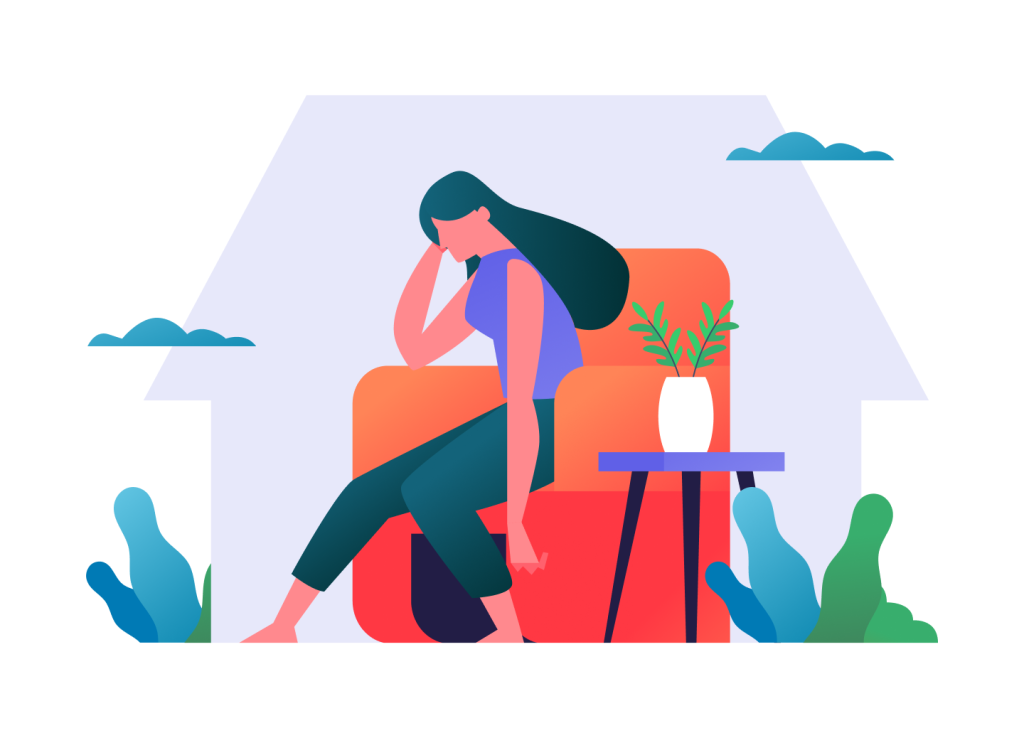
A routine cannot consist solely of moving between your apartment (the first place) and your office or university (the second place). You need a “third place”.
In simple terms, this is just a public environment where you can become a regular. In this kind of place, it gives you the opportunity to observe the local culture and experience low-stakes social interactions.
Finding a third place is very good, both for your health and for entertainment. According to the American Psychological Association, prolonged social isolation and loneliness carry the same physical health risks as smoking 15 cigarettes a day.
Choose a local café, a neighborhood park, or a community library. Visit this exact same location at the exact same time every week. But it mustn’t be this. Assuming you have an interest in sports, you can even find a local football field or basketball court and join other players there.
You do not need to make best friends immediately. All you need to do is become a familiar face to the barista or the park regulars. This creates a sense of belonging and predictability that drastically reduces expat isolation.
4. Ground yourself through physical movement.
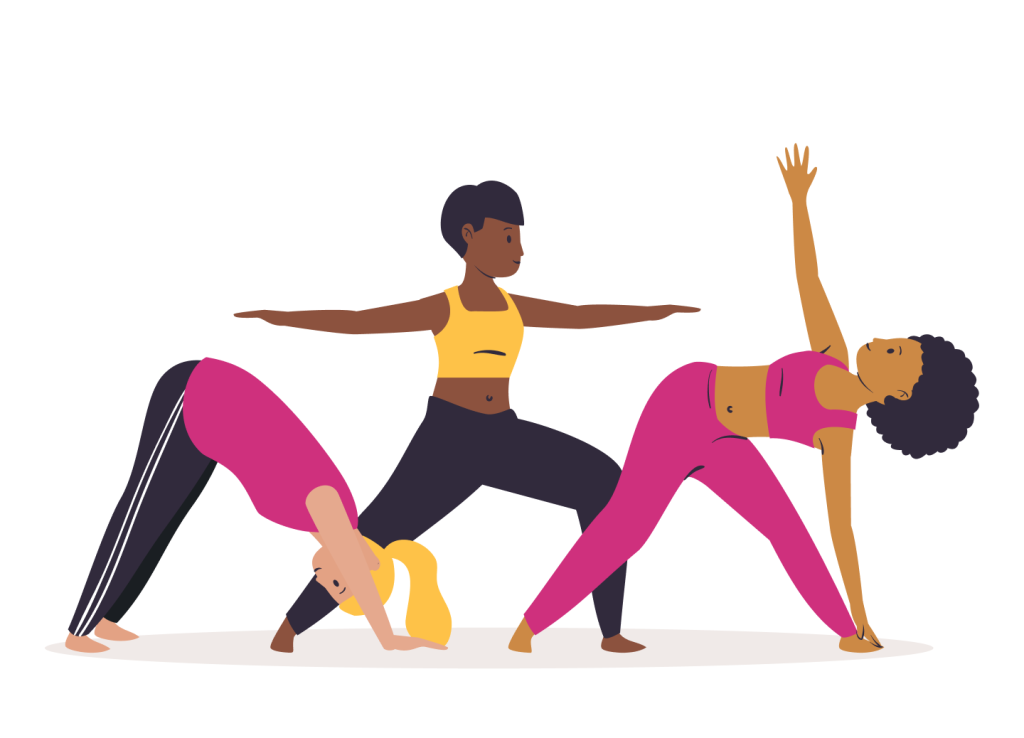
When everything around you is foreign, your physical body is the only constant you have. Stress manifests physically, leading to tension, poor posture, and compromised immunity.
You must build a non-negotiable physical activity into your weekly routine. The good aspect of this is that a physical activity can be as simple as doing morning walks around your neighborhood.
Moreover, Harvard Medical School reports that regular aerobic exercise directly reduces the body’s stress hormones, such as adrenaline and cortisol, while stimulating endorphins.
Whether it is joining a local gym or signing up for a yoga studio, physical activities force you out of your head, into your body, and out into your new environment.
5. Systematise your cross-border finances.

Perhaps the biggest disruption when moving abroad is financial instability. You are suddenly dealing with new currencies, confusing banking apps, and the stress of moving money back and forth across borders.
Financial uncertainty destroys peace of mind. In fact, a major survey by the American Psychological Association found that 72% of adults report feeling stressed about money at least some of the time, a metric that drastically increases for immigrants managing dual-country obligations. To feel stable, you must systematize your money. Do not wait until an emergency to figure out how to transfer funds. That is why it is very important to set up your international financial infrastructure in week one.
Secure your financial routine with CadRemit
You cannot feel truly settled abroad if you are constantly worrying about how to pay for things or support your loved ones back home. This is where CadRemit becomes an essential part of your new routine.
There are already more than 10,000 users who use this platform to send and receive money to and from Nigeria, Canada, USA and some parts of Europe. And get the best competitive exchange rates when sending CAD, USD, Euro, or Naira via SEPA, ACH, Interac®, or Push To Card.