A practical guide to navigating your finances in the first 90 days abroad.
According to the Migration Policy, 304 million people lived outside their country of birth in 2024, and that number is likely higher now.
The first 90 days after you move abroad will dictate how your financial trajectory will be. Making the right moves allows you to have the right foundation, while the wrong ones mean it might be hard to start your life well abroad. Some of these wrong moves could be poor exchange rates, hidden banking fees, and inefficient financial habits when trying to balance sending money home and your life abroad.
Days 1 to 30: The Immediate Transition

The first month is all about survival and moving through the immediate culture shock of a new financial system. In those first weeks, it’s tempting to convert every price back to your home currency. That $5 coffee suddenly feels like you’re spending more than you should be. It’s normal to do this, but constantly comparing will only leave you feeling stressed about everything. The sooner you start thinking in the local currency of the country you’re currently living in, the easier your first month will feel.
You are now earning money and spending in a new economy. If you constantly compare local prices to the cost of living back home, you will paralyse your ability to make necessary purchases.
Establish Your Local Identity
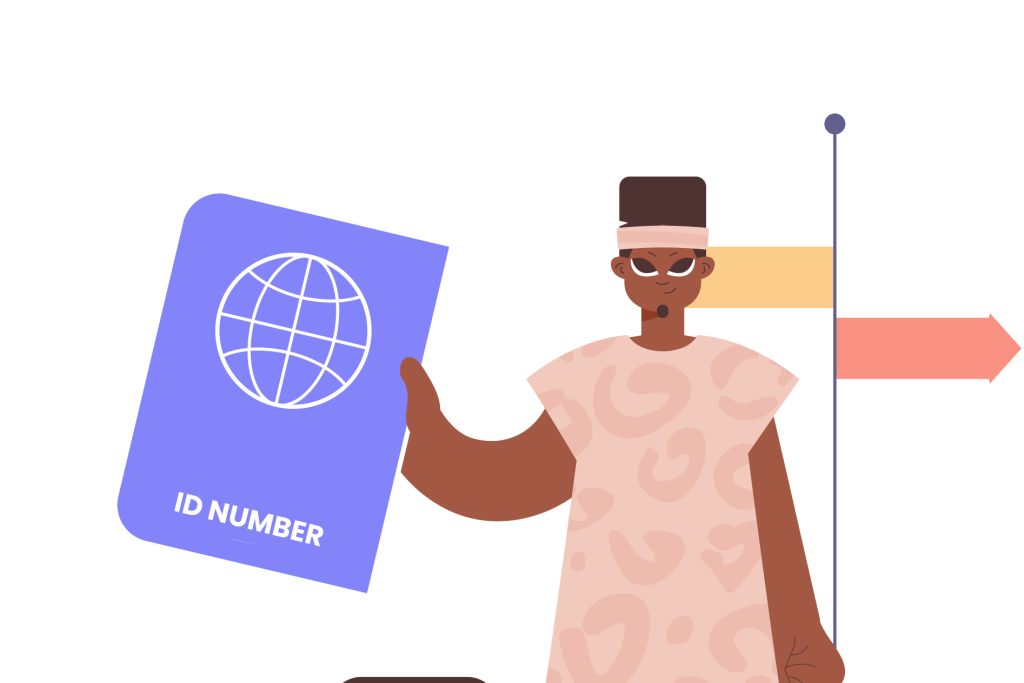
You can’t fully participate in the financial system without a verified identity. Your top priority in the first week should be securing your government-issued ID (like a Social Insurance Number in Canada or a Social Security Number in the U.S.).
Once you have this, open a local checking account. Avoid relying entirely on your foreign bank cards for everyday expenses, as international transaction fees can quickly drain your money.
Understand The Local Payment Culture
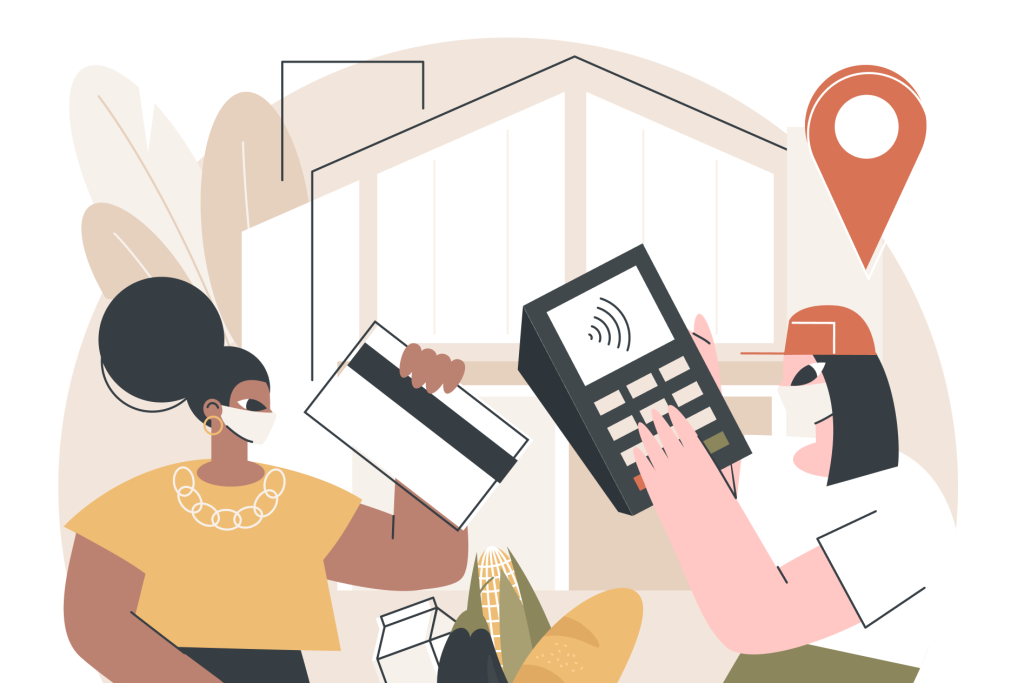
Every region has its preferred way of moving money. You need to adapt to it quickly, whether it’s to pay rent, split bills with roommates, or buy groceries in bulk. Learn the local terminology and systems. Understand that what worked instantly back home might not work abroad, if you are still relying on legacy banking systems.
Days 31 to 60: Stabilizing Income and Expenses

By your second month, you are no longer a tourist. You are now settled. This is the phase where dual-country financial obligations typically emerge, and things can get complicated.
Managing The Dual Life
Being abroad doesn’t mean you won’t have dependents to support, outstanding local bills to clear, or business interests to maintain back home.
Conversely, you might be an international student waiting for your family to send your living allowance or your tuition fees. You are now living a financially dual life, which needs you to move money across borders regularly.
Navigating The Global Gig Economy

Maybe you’re freelancing, or taking on a side gig to cover rent. Great idea, until you get paid and see your money shrink through bank fees and bad exchange rates. This is where you need to be smart about the platform you use to move money.
Freelance platforms and international clients often pay in USD or Euros. If your new local bank account is in CAD or GBP, receiving these payments directly into a traditional bank account can lead to poor currency conversion rates and high incoming wire fees.
A better approach is to use a service that lets you hold, receive, and convert multiple currencies. This allows you to keep your money in USD or EUR and convert it only when the exchange rate is favorable, helping you avoid unnecessary fees and get more value from your earnings.
The Tuition Hurdle

As an international student, the second month often brings the stress of looming tuition deadlines. Paying for a foreign university through a traditional bank is incredibly stressful. You are subjected to slow processing times and bad exchange rates that can add hundreds of dollars to your final bill.
Days 61 to 90: Mastering Cross-Border Cash Flow
In your third month, the dust has settled. You have your apartment, your routine, and your local bank account. Now, it is time to optimize. It is time to stop accepting the “lazy tax” of traditional banking.
The Trap Of Traditional Banks
By this point, you may have noticed the painful truth: your bank works fine for local spending, but sending money across borders can feel like running an obstacle course. Fees, delays, and poor exchange rates make every transfer stressful.
When you try to send money back home, or when someone tries to send money to you, traditional banks hit you with a double penalty: upfront fees and poor exchange rates. It shouldn’t be that way; transfers should be instant and not take hours or days.
Building Your Remittance Strategy
To truly master your finances, you need to separate your daily spending from your cross-border money moves. You need a system that prioritises speed, transparency, and specialised regional access. You need a system that does not treat international transfers as an afterthought.
Surviving your first 90 days abroad needs you to adapt to new systems. However, things will get much better by finding the right platforms to bridge your old life and your new one. You should never have to overpay simply to access or send your own money across borders.
This is where CadRemit makes life easier. Whether you need to pay tuition, receive a freelance paycheck, or send money home, CadRemit simplifies the process.
With fast transfers between Canada, the United States, Europe, and Nigeria, competitive rates, and local payment methods like SEPA, ACH, Interac®, or Push To Card, you can focus less on fees and more on settling into your new life.