
Here are ways to pay your tuition in Canada as an international student in 2026.
Getting admission abroad feels amazing at first. But after the excitement fades fast, when you have to deal with paperwork or figuring out how to actually pay your tuition.
Suddenly, you’re dealing with exchange rates, transfer delays, surprise service fees, proof that you actually paid, and maybe finding out your preferred payment method isn’t even accepted. In 2026, there are more payment options than ever. Some are quick and won’t break the bank, but others cost you extra.
1. Bank Wire Transfers
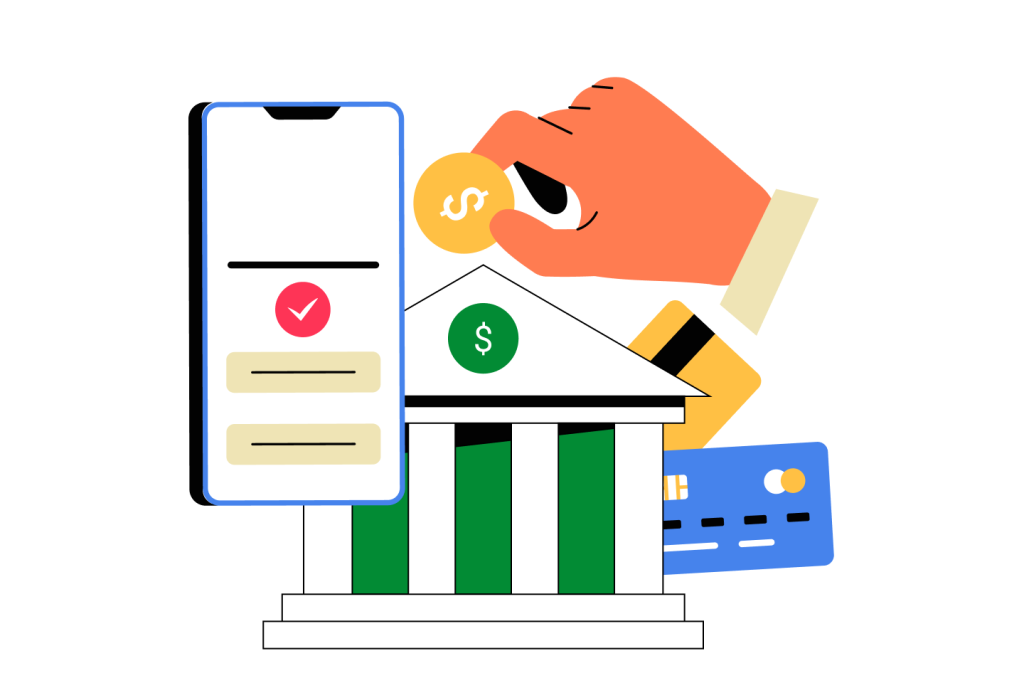
If you’re preparing to study in Canada, here are some of the ways to pay your school fees and what you should know before choosing one.
For many international students, bank wire transfers are still one of the most common ways to pay tuition abroad.
This option allows you to send money directly from your local bank account to your university’s account in Canada.
While this option feels secure, it often comes with transfer fees, poor exchange rates, intermediary banking charges, and long processing times.
2. Tuition Payment Platforms
Many Canadian universities now partner with international tuition payment platforms that simplify cross-border payments. These platforms usually allow you to pay in your local currency, track your payment, lock exchange rates, and receive confirmations faster.
The CadRemit app allows students to pay tuition directly to Canadian schools while finding competitive exchange rates and faster processing compared to traditional banking systems.
3. Debit Card Payments
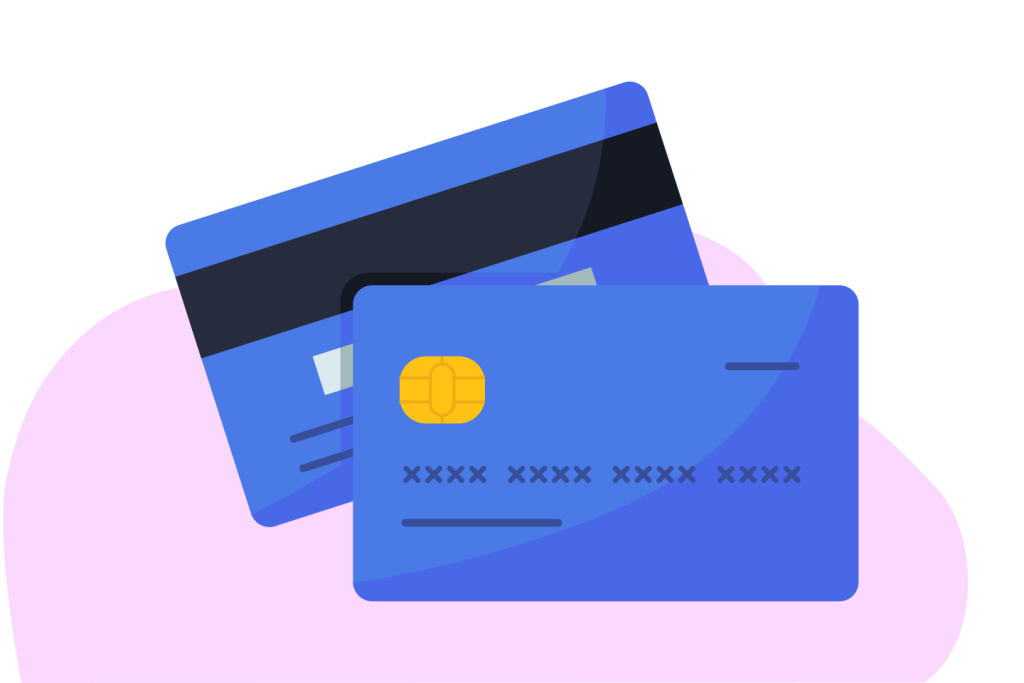
Some universities now allow tuition payments through debit cards. This option is convenient because payments are processed quickly, and you don’t need to visit a bank branch or complete complicated forms.
However, you should still check your transaction limits, international card charges, and conversion fees before paying.
4. Credit Card Payments
When you’re down to the wire and deadlines are near, a lot of students lean on credit cards. The main draw? Speed. You can pay your tuition almost immediately, which really helps if you’re trying to meet visa requirements or enrollment cutoffs. But this convenience doesn’t come cheap. Think foreign transaction fees and interest piling up if you don’t pay off the balance.
5. Scholarships and Grants

If you want less stress about tuition, honestly, start by finding scholarships and grants. These are some of the best financial breaks for you. People often think scholarships are just for the academic superstars, but that’s not always true. Some are handed out for leadership, volunteering, creative work, or even based on where you’re from.
6. Education Loans
A lot of students turn to education loans when they can’t cover tuition upfront. What you have access to really depends on your country. Maybe government loans, private financing, or funds designed for international students. Loans help you get in the door fast, but let’s be real, they stick around. It’s important to understand the long-term repayment responsibilities before borrowing.
7. Installment Payment Plans
Many Canadian universities now offer installment plans instead of needing full tuition payments upfront. Instead of paying everything at once, you spread payments across semesters or monthly schedules. This option helps if your sponsor sends money gradually, you receive income monthly, or you’re balancing work and school expenses.
8. International Money Transfer Apps

Cross-border payment apps have become one of the most popular tuition payment solutions for international students.
Students prefer them because they offer faster payments, better exchange rates, and fewer hidden charges than traditional banks.
Modern transfer apps like CadRemit allow you to pay Canadian university tuition, send money quickly, at below market rate, directly from your phone.
9. Family Sponsorship Transfers
A lot of students still rely on their parents or relatives back home to pay their tuition. That’s pretty normal, but it can get nerve-wracking fast, especially if exchange rates swing wildly, bank transfers drag on forever, or new banking rules pop up out of nowhere. If your family is footing the bill for your education, sort out those payments early. It’ll save everyone a headache.
10. Multi-Currency Accounts and Virtual Wallets

With so many students heading overseas, multi-currency accounts are a game changer. You can hold different currencies like USD, EUR, CAD, or GBP, swap them when the rates look good, and skip those forced conversions banks love to sneak in. They’re especially handy if you freelance while studying or get money from a bunch of different countries.
Choosing the best way to pay your tuition really depends on what works for you. Ask yourself: How fast does the money need to arrive? Are there any hidden fees? Will your school actually receive the full amount?
In the end, it comes down to speed, transparency, and making sure your money lands exactly where it’s supposed to.
Paying for tuition in another country can feel overwhelming, especially when you’re still adjusting to a new place and a different education system. In 2026,there are a lot more choices for you. Scholarships, installment plans, digital transfer apps, and virtual accounts are all on the table. These options can make managing your money a lot less stressful.
But also, it’s important to pick payment options that keep your money safe and don’t quietly cost you with hidden fees or bad exchange rates. For many students, using reliable transfer platforms like CadRemit can help you pay your tuition easily.