The financial habits that come with living abroad.
Living abroad changes you in more ways than you can think. Something shifts in how you think about your money, which affects your financial habits. Suddenly, the smallest decisions carry more weight, and your spending patterns begin to change.
Over time, these adjustments turn into habits that stay with you, no matter where you live next. Here are six money habits you’re likely to pick up living abroad:
1. Meticulous budgeting and tracking.

You’ll start to pay more attention to your spending habits. Now every cent counts and must be accounted for. If you’ve never considered budgeting before, you’ll find yourself being quite strict on what you want to spend on, whether it’s rent, groceries, or even taking yourself out.
At first, it might be as simple as checking your account balance more frequently and knowing the money coming in or going out. Or you start to take mental notes of everything. This gradually grows into using a spreadsheet to find more detailed ways to save on costs.
For example, you decide to cook more after realising how much you spend eating out. This awareness becomes second nature. You plan how much money you have before you spend.
2. Choosing stability over lifestyle pressure.

Impulse buying hits differently when you’re abroad, as you’ll learn that earning more doesn’t automatically mean spending more. You’ll find yourself asking, “Do I really need this right now?” before making a purchase.
Reality checks often come fast within the first few months, so make adjustments. You’d start making smarter choices by prioritising what you can sustain. That means thinking twice before upgrading your phone just because you can, or going for a simple apartment that fits your budget rather than a luxurious one.
Over time, this shift allows you to be more intentional in maintaining a lifestyle that you can actually sustain.
3. Thinking in two currencies.

You’ll definitely start to calculate and convert every amount to what that means back home. Thinking in two currencies happens naturally when you’re abroad. You see a price in dollars (or pounds), and your brain instantly converts it to naira, and most times, the numbers amaze you. Either way, it changes how you spend.
A simple coffee, a taxi ride, or groceries give you second thoughts as you calculate the value in your local currency. As a result, you find yourself not making certain purchases because the converted cost doesn’t feel worth it. Over time, this habit keeps your spending grounded.
4. Prioritising emergency savings.
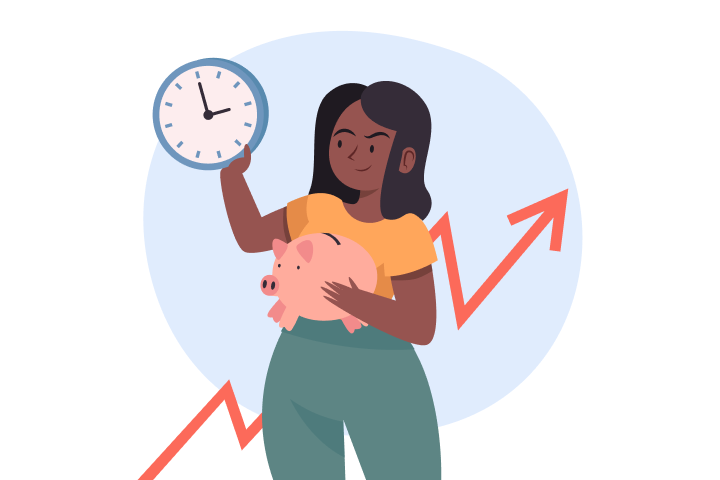
Without a close support system abroad, you quickly realise that you can only rely on yourself. So the “just in case” money becomes a reality. Unexpected expenses do come up even with a strict budget.
A sudden medical bill or even your phone or laptop breaking down when you need it most. Unexpected expenses hit harder with no emergency funds, so setting up an emergency fund becomes second nature. Even if it’s small, you start keeping something aside, as having that safety net brings peace of mind.
5. Making the most of low-cost resources.
In some ways, beyond cutting back on your expenses, you’ll learn how to save. A few months in, and you start to see value in areas you once overlooked. For instance, instead of spending on everything, you explore what’s already available around you.
Public libraries become more than just quiet spaces; they offer free internet, work areas, and even digital resources. Parks become go-to for relaxation instead of paid outings, and secondhand markets instead of buying new.
6. Switching to smarter banking options.
When you’ve lived abroad, you quickly become weary of losing money on banking services. High fees and poor exchange rates quietly eat into your money, especially when sending money home. It’s only natural that you become more selective about the services you use.
Instead of relying on traditional options, you begin to see the value of online cross-border payment services with good conversion rates and low fees, such as CadRemit.
What starts as small adjustments becomes a more intentional way of how you view money. These habits don’t fade with time. They stay with you, shaping how you spend, save, and move money, no matter where you are.