What you plan for vs what you actually spend abroad.
Picture this: The night before your big flight, you are sitting on your bed, looking at a neat little spreadsheet on your laptop where you’re mapping out exactly how much your rent will cost, what the price of a monthly bus pass will be, and a budget for grocery shopping. Then, you land, and a month passes, you check your bank account, and your heart drops because you have spent way more than you planned to. Your perfect spreadsheet is broken.
What went wrong? You did not fail at math. Or is it the classic expat trap? Maybe before your move, you have only budgeted for the big, obvious things. Not knowing the true cost of living abroad is hidden in the small expenses that no one warns you about. This is how your budget compares to what you actually spend.
1. Starting from zero.
On your spreadsheet, you budgeted for rent and a security deposit. But you forgot that when you move to a new country, you are starting from zero.
When you rent your first apartment, it might not have lights, curtains, or even a shower curtain. You have to buy every single basic item you used to take for granted. You need a trash can, coat hangers, dish soap, and basic spices like salt and pepper. According to financial experts, the hidden costs of moving and outfitting a new living space can easily exceed your initial budget.
You now have to dress for a new climate. Moving from a warm place to Canada or Europe means your old jackets will not save you. You will need real winter boots, thick coats, and thermal wear. These are high upfront costs that your spreadsheet did not see coming.
2. The social price tag.

Before you left, you told yourself you would save money by cooking your own meals. You promised you would not eat out a lot. But then you realise to beat the loneliness that comes with moving to a new country, you’ll need to leave your house to actually make friends. When a group of nice coworkers asks you to join them for a drink after work, you cannot say no. When a new friend invites you to hang out in a coffee shop, you go.
Building a social circle costs money. A survey by Bankrate shows that social dining and drinks take up a massive part of your budget. You are paying an entry fee to make friends, and your social budget will be high in the first few months of doing so.
3. The comfort tax of homesickness.

You walk into an international store and spot your favourite tea, cookies, or spices from home. It costs five times what it should—and you still buy it. Because sometimes, nostalgia is worth the price.
Experts at Psychology Today called it emotional spending. They explain that we often buy things to soothe negative feelings like homesickness or stress. Paying the comfort tax is normal. Sometimes, spending ten extra dollars on a familiar snack is exactly what you need to keep going. Just make sure you know it is happening.
4. The sneaky admin traps.

You budgeted for your visa application fee before you moved. But the paperwork never really stops. Living abroad comes with an endless list of admin costs. You might have to pay to get your old school papers translated. You need to pay for a special medical check-up to renew your permit. Even get a surprise bill from a doctor because you did not understand how the local health insurance works.
The annual Expat Insider survey regularly notes that dealing with local administration and unexpected bureaucratic fees is a top struggle if you’re an immigrant living abroad. So make sure to keep an emergency fund just for paperwork.
5. The silent money drain.
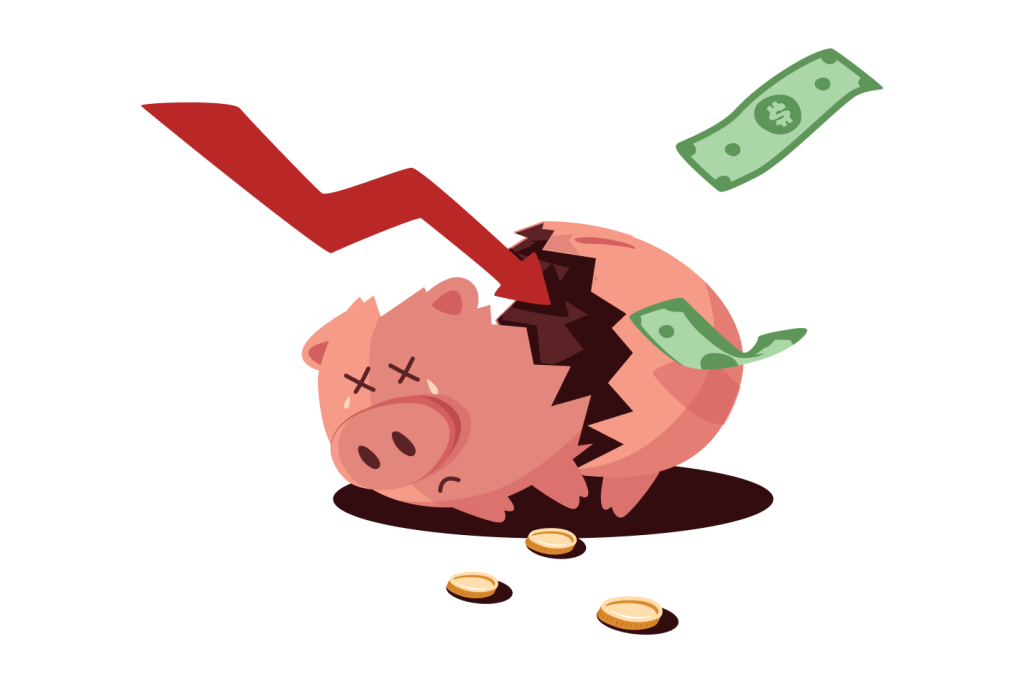
Finally, the highest hidden cost is how you move your money. You budget in your home currency, but you spend in your new local currency.
If you are paying international tuition or sending money back home to your family, traditional banks will quietly drain your budget. According to the World Bank, traditional banks remain the most expensive way to send money across borders, often hiding their fees in terrible exchange rates.
You think you are sending $100, but only $92 arrives. This silent money drain will ruin your budget faster than anything else.
You cannot control the price of winter coats or visa fees, but you can completely control how much it costs to move your money. You do not have to lose your hard-earned cash to the hidden fees of old banks.
Just like over 10,000 users trust and use the CadRemit app to send money quickly and safely between North America, Europe, and Nigeria, you can too.
But more importantly, you can sleep well knowing your money is safe. As CadRemit is heavily regulated and authorised by FINTRAC, licensed as a Payment Services Provider by the Bank of Canada. At the same time, it is officially licensed by the Central Bank of Nigeria as an International Money Transfer Operator (IMTO).
Download the CadRemit app now to take control of your budget and enjoy your life abroad.