Why returning to the place you once called home can suddenly feel unfamiliar.
Before you book your flight home, you’ve imagined the perfect emotional reunion you’ll have when you meet your loved ones after not seeing them in a really long time. There are many reasons you might have chosen to return, maybe it’s for the festive season, or you have finally settled in your new place and can now travel. But even with so much preparation, it still doesn’t prepare you for what you see.
The streets and houses still look the same, but with a little bit of difference. Your friends are as you remember them, yet your conversations feel slightly out of sync. You are experiencing the reality of reverse culture shock. This is a psychological experience that often catches you completely off guard.
The Short-Lived Honeymoon Illusion
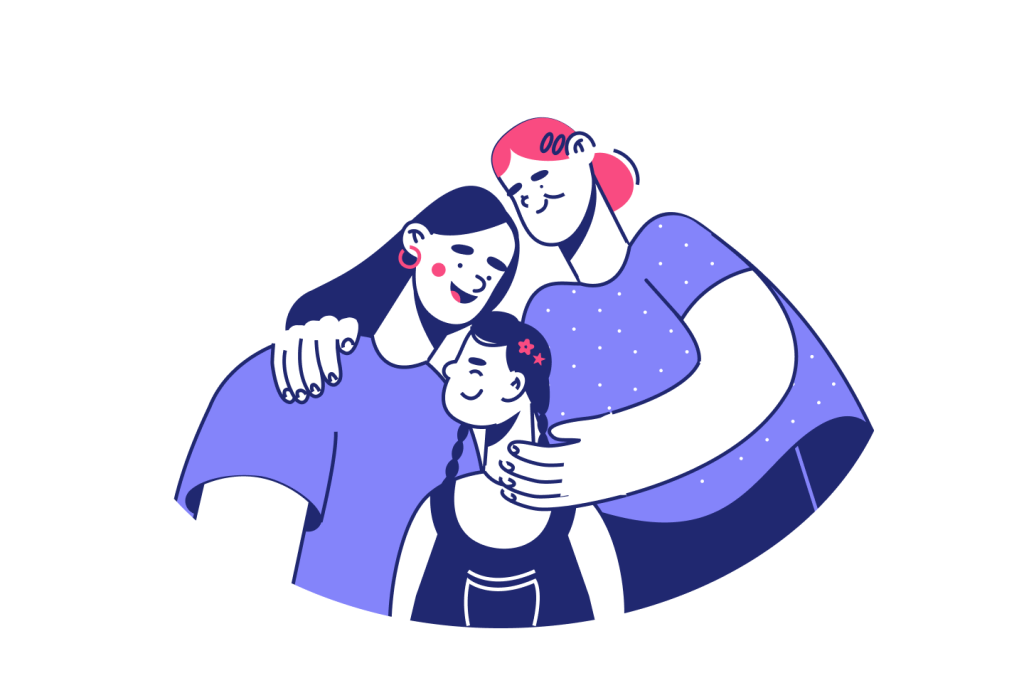
For the first few days, everyone who has missed you treats you like royalty. Your mother cooks your favorite meals, and your old friends clear their schedules to take you out. Even your extended family members stop by just to marvel at how much you have grown or changed.
During this period, it feels exactly like the homecoming you envisioned. You indulge in the local street food you have been craving for years. You visit your favorite childhood spots and walk down familiar roads, wrapped in nostalgia.
However, this honeymoon phase is usually brief. Soon enough, the welcome parties come to an end, the celebrations quiet down, and normal daily life resumes for everyone else. They have jobs to go to, bills to pay, and routines to maintain. This is usually when the cultural disconnection begins to wash over you. You start to notice the uncomfortable truth: time did not stand still while you were away living your new life.
The Subtle Shifts And Pop Culture Disconnect
The main part of this disconnection rarely comes from massive political shifts or major infrastructural changes. Instead, it comes from the everyday details of pop culture and daily interactions.
For example, you begin to realise that the local culture has moved on without you. You sit with your friends at a café, and they burst out laughing at a joke referencing a trending meme you have never seen.
Other times, they might use new slang that makes you feel like you need a translator. There is a new viral dance everyone is doing at parties, and hit songs dominating the local radio that you have never heard before.
This cultural disconnect can be isolating. You look like a local, you sound like a local, but you feel like a tourist.
The “You’ve Changed” Dynamic
As your trip continues, you realise that your home country has changed. But at the same time, you have also changed. Your time living abroad has entirely reshaped some things, like your perspectives on money. Even things like career progression and relationships are different from your view.
You might find yourself frustrated by the local pace of life, which suddenly feels either far too chaotic or unbearably slow. And some other time, you might catch yourself complaining about the traffic.
There might even be times when the inefficiencies in the banking systems or the lack of customer service will make you angry.
When you express these frustrations, your friends and family might look at you differently. They might accuse you of being too foreign or soft. Some might even go as far as saying you’re acting like you are suddenly better than the system you grew up in.
You struggle to relate to their daily complaints, and they find your new habits or viewpoints confusing. Conversations that used to flow now require care to avoid stepping on cultural landmines.
Acceptance And The Hybrid Identity
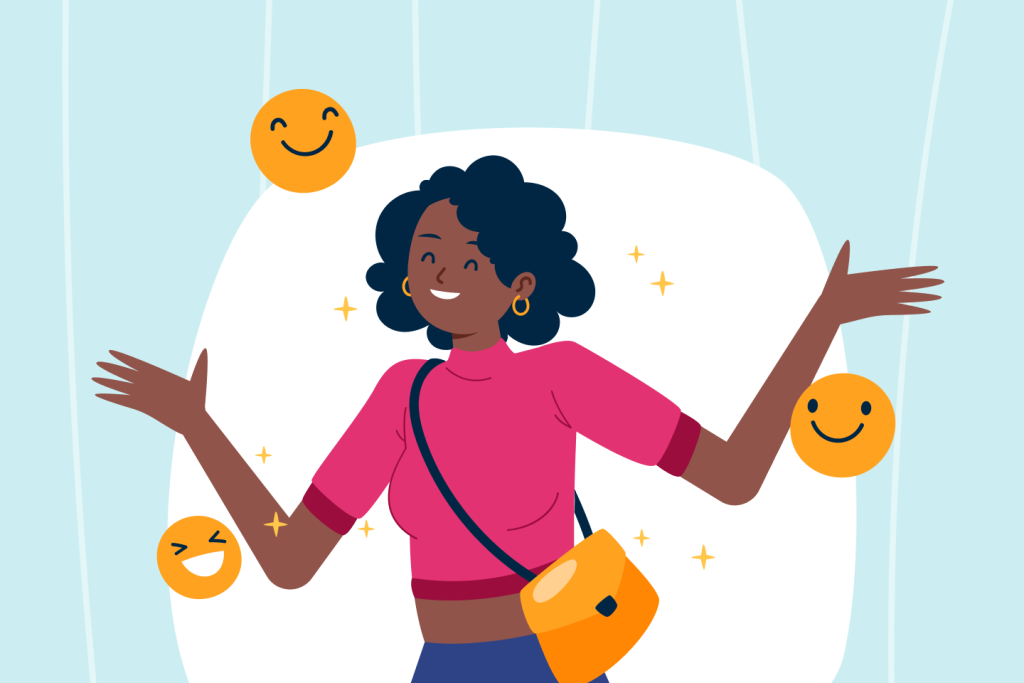
Eventually, you have to accept that you are now a permanent hybrid of two cultures. You’re now able to easily switch between the habits you developed abroad and life back home.
Overcoming the shock often needs you to let go of the expectation that everything will remain the same. It is probably better that you let things remain exactly as you left them.
You might feel frustrated by these changes or the cultural gaps you notice. But you can choose to explore your home country with fresh eyes. Another thing to do is to accept the community and the deep roots that you missed so dearly.
Staying Connected Across Borders
Living between countries often means maintaining relationships, responsibilities, and commitments across borders. Sometimes that includes supporting your family financially after you’ve returned abroad.
When those moments come, having reliable financial tools can make life easier. Services like CadRemit help simplify international transfers so you can send money home without unnecessary stress or hidden fees. Because staying connected to home shouldn’t have to feel complicated.
Reverse culture shock is more common than most people realise. That disconnect can feel confusing at first, but it’s also a sign of growth. Living abroad naturally changes your perspective in ways you may not fully understand until you return home again. And over time, you learn that belonging doesn’t always mean choosing one place over another. Sometimes it simply means learning how to live comfortably between both worlds.