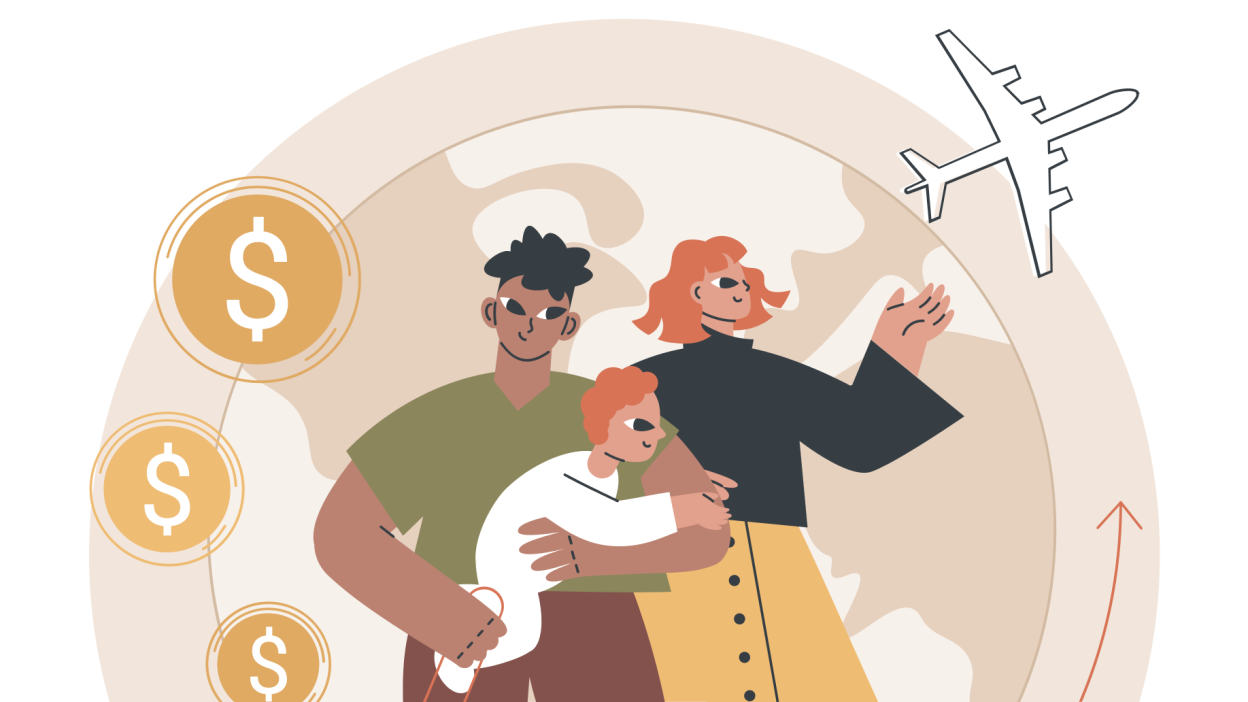
When you move abroad, the way you spend, save, and experience life is reshaped.
If there’s one thing about living abroad, it’s how suddenly everything changes. Suddenly, your everyday routines like grocery shopping, or paying rent, cultural cues, and spending habits become different from what you’re used to. Living abroad isn’t just about discovering new places; it’s about learning how your daily choices, your values, and even your sense of self adapt to a new environment.
Here’s how life abroad reshapes the way you think about money, culture, and priorities.
Why Living Abroad Shifts How You Think About Money
When you first move abroad, everything costs more, or at least, differently. A meal that seemed affordable back home might feel expensive, while public transportation costs might surprise you. Suddenly, you start noticing patterns you never paid attention to: grocery inflation, local taxes, service fees, and even the hidden costs of cross-border payments.
For instance, renting a small apartment in a new city may cost twice what you were paying at home, and your paycheck doesn’t stretch the same way. You start budgeting more carefully, tracking every expense, and maybe even questioning what “luxury” really means.
Money starts to feel less like just numbers and more like a tool that shapes your experiences. You begin to weigh purchases differently. A cup of coffee might be a splurge, while an experience like visiting a local festival feels worth it. And when it comes to sending money home or supporting loved ones abroad, you become much more intentional about choosing the cheapest and most reliable ways to do it.
New Cultural Norms That Affect Your Spending
You’ll learn new financial habits, but also adapt to different cultural expectations, too. From tipping culture to holiday gifting customs, things can differ wildly from what you’re used to.
In some countries, tipping is considered mandatory for almost every service. In others, it’s optional or even frowned upon. Social gatherings might involve hosting duties or gift exchanges that you weren’t prepared for. You quickly realize that money isn’t just a personal tool, but a cultural signal. How you spend, save, and share reflects your understanding of the local community.
Even day-to-day items, like dining out or shopping for household goods, can open your eyes to how culture shapes priorities. For instance, you might notice people spending more on local, sustainable products or less on material items and more on experiences. These differences challenge your assumptions about what’s “normal” and encourage you to question your own spending habits.
How Your Priorities Change When You Live Abroad
As you settle in, your priorities naturally shift. What mattered most at home may no longer feel as urgent. You start to focus on experiences rather than material goods, valuing travel, cultural immersion, and networking opportunities.
At the same time, your approach to saving changes. You may start building emergency funds to cover international transfers, healthcare, or unexpected travel. You learn to navigate foreign banking systems, discover low-cost apps for sending money back home, and understand exchange rates in a way that you never did before.
The lifestyle you choose abroad often forces you to rethink long-term goals, too. Maybe you begin investing in skills, language courses, or certifications that increase your employability internationally. You may also re-evaluate your relationships with debt, subscriptions, or luxury purchases. Living abroad has a way of highlighting what’s essential to you, and what’s not.
The Financial Lessons You Can Take Home

One of the most practical benefits of living abroad is that you learn how to manage your money more smartly. You quickly see the difference between “apparent costs” and “real costs.” That’s why tools that show live exchange rates and low transfer fees, like CadRemit, become lifesavers for sending money home without losing value.
You also pick up things like budgeting meticulously, tracking expenses, and using apps that simplify international payments, comparing costs, from groceries to transportation, so you can make informed choices that allow you save costs and maximise your experience.
By the time you return home, or even start getting the hang of your new life, you’ll have financial habits that make you savvier and better prepared for future changes in your personal or professional life.
Finding Balance Between Old And New
At the end of the day, living abroad is a balance. You’re blending the habits, values, and traditions you grew up with alongside the new ways of life around you. You may find yourself cooking a favorite dish from home while celebrating a local holiday in a new way. Or saving a portion of your salary while also spending intentionally on experiences abroad and sending money home.
Using a platform like CadRemit gives you that kind of control and intentionality, whether it’s sending money home, paying tuition, or managing multiple currencies. That way, you can focus on learning, exploring, and growing, rather than worrying about money.
Living abroad really changes the way you think. Money stops being just cash in your account but becomes something that helps you explore new cultures, gain independence, and make smarter choices. Culture shows up in everything you do, from how you spend to how you connect with people around you.
Along the way, you build resilience, patience, and flexibility. You learn to respect different values, lifestyles, and priorities, and those lessons don’t fade when you travel back home. It follows you, shaping how you plan your finances, choose opportunities, and show up. So the next time you’re budgeting for a local experience, sending money back home, or planning something across cultures, pause for a moment and see how living abroad has already changed how you see both money and culture.