
What the new rules mean for you, what you need to know and how to stay ahead.
Immigration has never been simple, but in 2026, it’ll feel more unpredictable than ever. This is because there are new rules, costs are rising, and eligibility criteria are becoming stricter for those living abroad as an immigrant or planning to move abroad. You may be wondering how these policies will affect you. The reality is this: immigration policy is changing, and with the right information and preparation, you can still move forward confidently. Let’s walk you through what’s happening, how it affects you, and what you should do next.
Why Immigration Feels More Uncertain In 2026

You’re not imagining it. Immigration across the world, like the USA, Canada, and the UK are tightening. Governments are responding to housing shortages, labor market shifts, political pressure, and growing migration numbers. As a result, immigration is becoming more selective, more expensive, and more heavily regulated.
For you, this means: if you are still planning to go to japa, there would be fewer general migration pathways and higher standards for language, income, and skills. There would also be increased scrutiny of your applications, including longer processing times.
What’s Changing?
2026 is not about closing the doors to immigrants. But understanding what this policy entails helps you plan better.
- Fee and payment changes (U.S.).
The U.S. immigration agency has announced inflation-driven fee increases for certain FY2026 immigration-related forms. These will affect filing budgets for your visas, work authorisations, and naturalisation.
- New or revised entry and selection rules (Canada).
Canada’s 2026 Immigration Levels Plan will now have new targeted categories, changing who is prioritised and when invitations to apply are issued. For example, a special Express Entry stream for physicians.
- Tighter language and settlement rules (UK).
The UK is raising its English-language requirements for several employment-based visas from B1 to B2, starting January 8, 2026, and will have wider reforms to the legal migration model. These will affect eligibility for Skilled Worker, Scale-up, and High Potential Individual visas and may alter qualifying periods for settlement.
- Restrictions and special programs (U.S.).
Recent immigration moves include expanded travel restrictions on nationals of additional countries, and high-visibility proposals around expedited residency programs targeted at high-net-worth applicants. These will shape who can enter and how their paths to residency will be created or limited.
- Family reunification changes (U.S.).
Some parole-based family reunification programs have been announced for termination with deadlines into early 2026, affecting certain nationalities and pending applications.
How Policy Changes Directly Affect You
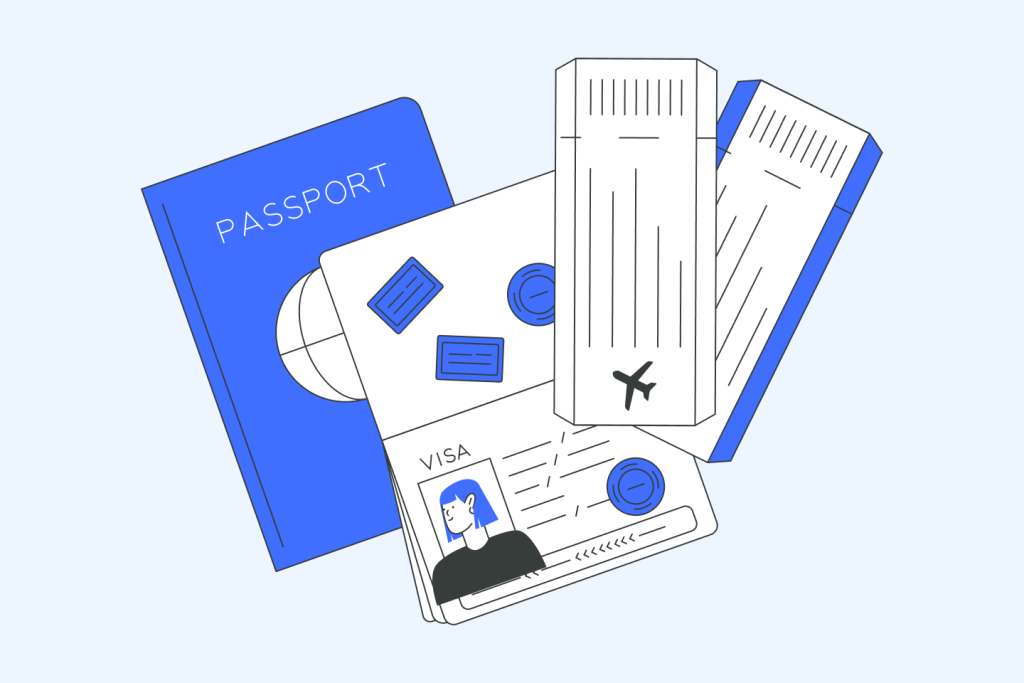
Immigration policies aren’t just government announcements; they also affect your daily life and future, or change your eligibility.
In 2026, these policy changes may determine:
- Whether you’ll qualify for a visa or visa renewal.
- How much do you have to pay in application and health fees?
- If your job still meets sponsorship requirements.
- Whether your family can join you as a dependent.
- How long does it take you to gain permanent residence or citizenship?
If You’re Planning To Move Abroad in 2026

If you’re still in the planning stage,026 is the year to be proactive. You can no longer afford to wait or delay your applications, hoping the rules will become clearer, but then you can also end up missing out.
To stay ahead, you should: Research your current requirements, not outdated advice. Identify more than one visa option you can have access to. Prepare your documents earlier than you think is necessary. Then budget for higher and unexpected costs. Also, find targeted programs for specific skills, professions, or regions that will offer you better opportunities than general migration routes. Being flexible makes all the difference.
If You’re Already Living Abroad
If you’re already abroad, policy changes can feel stressful. A new rule might affect your ability to change jobs, renew your permit, or apply for permanent residence.
In 2026, compliance matters more than ever. You need to: Track your visa expiration dates carefully. And avoid gaps in your legal status and fix them if there are any. Also, you’ll need to follow your work and residency conditions strictly and keep proof of your employment, taxes, and residence. Because Immigration authorities are relying more on digital systems. Staying organised will protect you from unnecessary delays and complications.
Language And Skills Matter More Than Before
One of the biggest trends in 2026 is the increased emphasis on language proficiency and verified skills. Many countries are raising language requirements and asking for stronger evidence of your work experience.
This means you may need to have:
- Higher language test scores
- Detailed employment reference letters
- Credential assessments or licensing.
- Clear proof that your skills meet the current labor market needs
If language or skills are part of your pathway, invest in preparation that’ll save you time, money, and disappointment later.
Family Reunification Is Becoming More Demanding
If your goal is to bring your spouse, children, or parents to join you, the policy changes happening in 2026 will test your patience. You may be required to meet higher income or savings thresholds. Show longer periods of lawful residence and provide stronger evidence of your family relationships. Then there’s also the fact that you might have to wait longer for approvals. So planning ahead and submitting complete, accurate applications can help you reduce delays and emotional stress
Immigration Costs Are Rising.

Immigration in 2026 is not cheap. Beyond application fees, there are many costs people often underestimate.
These include:
- Visa and renewal fees
- Health insurance or healthcare surcharges
- Language tests and credential evaluations
- Legal or advisory services
- Emergency travel or reapplication costs
So, it’s time to plan ahead and set aside an immigration fund to help you respond calmly when you need to pay an extra cost.
Beware of Misinformation and Shortcuts
During periods of change, misinformation spreads fast. Social media posts, group chats, and unverified agents often share outdated or incorrect advice. Rather rely on official government sources, verify advice with accredited professionals. Also, avoid anyone promising guaranteed approvals and be more cautious of shortcuts that sound too good to be true. In 2026, one wrong step can cost you months or years.
How To Stay Ahead Of Immigration Changes
You don’t need to monitor every policy debate, but you do need a system.
Staying ahead means knowing what your long-term immigration goal is. Understanding which rules apply to you now and how to track deadlines and updates. Including keeping all your documents organised and accessible. When you approach your immigration this way, it becomes easy for you to deal with it strategically.
When You Should Seek Professional Help
Some situations require expert guidance. You should consider professional help if your status is expiring soon or if you’re transitioning between visa types. Also, if you have received a refusal or warning or have a case that involves family members, then seek help from a qualified immigration adviser or lawyer who can help you avoid costly mistakes and navigate these changes.
Turning Policy Changes Into An Opportunity
Policy change doesn’t always mean fewer opportunities; it often means different ones. Governments are still looking for skilled workers, students, caregivers, and innovators.
Your focus should be on:
- Aligning your profile with current demand.
- Preparing early.
- Applying strategically.
Immigration in 2026 may feel uncertain, but uncertainty can come with preparation, flexibility, and reliable information if you move forward with your plans. And with the right approach, you’ll be able to navigate these immigration changes in 2026 that can strengthen, not derail, your plans.