Here are practical money habits to help you build real stability.
Living abroad looks glamorous from the outside. People back home assume that once you’re earning in dollars or euros, money stops being a problem. That assumption fades fast once you’re actually there.
But rent is expensive. You’re always paying a bill or the other. And you have to pay taxes. Every time you convert currencies or send money home, you feel it. Somehow, you’re expected to build your own future while still supporting the people you left behind.
Here’s the truth: having financial success abroad is learning how to manage your money.
Making more isn’t the same as saving more
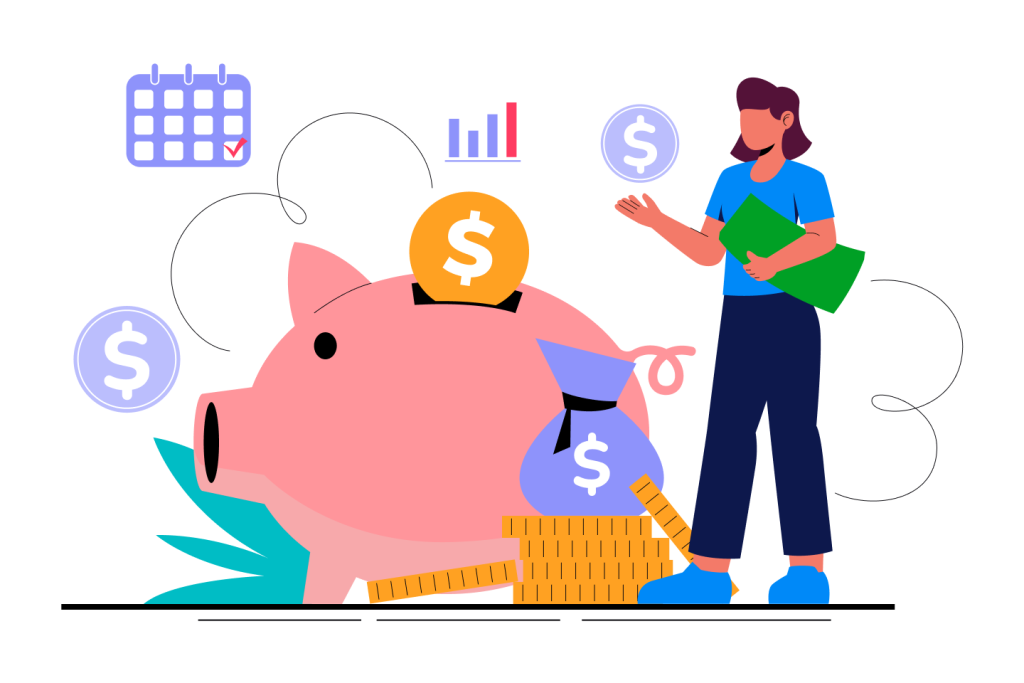
People think a bigger paycheck fixes everything. Not really. You land a job, your paycheck gets bigger, and for a moment you feel like things are looking up. But then reality kicks in. Rent eats a chunk, transport drains another, insurance and groceries keep piling up, and every month there’s some new subscription, tax, or random immigration fee popping up out of nowhere. It’s easy for all that money to vanish long before you notice.
That’s why you find so many people who live overseas for years, working decent jobs, yet their bank accounts barely move. The shift comes when you actually pay attention to your spending, stop just scrambling to cover bills, and make decisions that help you get ahead.
Really learn the cost of living where you are
When you first arrive, everything feels expensive. You can’t help but keep converting prices back to your old currency, and it’s always a shock. Over time, though, you have to stop doing the math and start understanding your new financial reality.
Figure out what realistic living costs look like in your new city, not what you hoped they would be. Then decide how much of your paycheck actually needs to go toward bills. Dive into how taxes hit your income and which expenses you truly can’t skip. And, honestly, take a hard look at the kind of life you can afford right now.
Life feels a whole lot lighter when you stop burning out just to look like you’ve got it all together.
Avoid lifestyle inflation abroad
Open up any social media feed, and you’ll see people traveling, upgrading their apartments, buying the latest gadgets, always flaunting their “best life.” It’s easy to start thinking you have to keep up.
But let’s be real: chasing appearances is a quick way to stay financially stressed. While being successful needs you to often less lavish. Like making most of your meals at home. Skipping purchases you don’t actually need. Slowly stacking up savings. Paying bills early. Consistently living below your means. None of that is flashy, but it’s how you truly become financially free.
Build an emergency fund
Emergencies hit differently when you’re far from home. Back home, you probably had family or friends who could help out. Abroad, if you lose your job, get sick, or face an emergency flight, it falls entirely on you. Surprise medical bills, lost jobs, new visa fees, housing surprises, currency crashes, all of these can wipe out your plans in a minute. That’s why you need an emergency fund. Consistently putting money away for your emergency fund gives you peace of mind when unexpected expenses show up.
Learn how credit works before you need it
Credit isn’t just about borrowing money. In places like the US, Canada, and the UK, your credit history seriously affects your options. It can decide if you get an apartment, a car, a mortgage, or even a job.
A lot of newcomers don’t even think about this until it’s too late. Start small: get a credit card, use it for essentials you can afford, pay it off on time, don’t run up debt for things you don’t really need. Good credit means more choices down the line. Bad credit can trap you for years.
Find extra ways to earn
A single paycheck just isn’t always enough when you’re starting. That’s why it’s a good idea to pick up side gigs, maybe freelancing, some remote work, part-time jobs, selling what they know online, or getting into content creation. You don’t have to treat it like a second full-time job, but as something that can give you extra cash. So you can have some breathing space to do other things you want.
Be smart about sending money home.

Sending money back is a way of life for a lot of immigrants. But if you’re not careful, you end up sacrificing your own financial future without meaning to. Sometimes, family expectations get overwhelming. You might feel guilty refusing or saying “not yet,” but you really need to set your boundaries. Know what you can afford. Don’t get crushed by exchange rates and hidden fees; look for transfer platforms that help you save or keep more money for yourself.
How to make a budget (Without losing your mind)
Most strict budgets fail because they feel impossible to maintain. Forget tracking every single dollar; it’s exhausting. Just cover the important stuff, save a little every paycheck, and try not to blow cash on stuff you don’t need. That’s it. Keeping things simple usually works better. You’re not aiming for perfection; you’re building habits that last.
Watch out for the big bills that come back every month. Make sure you’re keeping up with the things you truly need. Your budget isn’t there to torture you; it’s meant to help you get to where you want to go.
Start planning long-term

If you’re living in another country, you need to look beyond just paying rent. Take a step back. Think bigger. Maybe you want to start investing, save for retirement, learn something new, earn a certificate, or even launch a side business.
You don’t have to have everything figured out today, but planning now makes things easier.
Be patient with yourself
It’s tough not to compare your life to others, especially those who look more settled or successful. What you can’t always see is how long and messy it took them to get there. Moving to a new country means learning how money works there, the new culture, new way of living. Give yourself a break and permission to go at your own pace because there’s no quick fix. Becoming financially stable abroad usually happens because of the steady choices you make. Like sticking to your budget, avoiding impulse spending, building your savings. Some months will feel tight. Sometimes things will get thrown off. That’s normal.
One thing that makes a real difference is cutting out unnecessary costs wherever you can. If you’re sending money home or receiving money from family, Cadremit lets you do that without losing value to bad exchange rates or hidden fees.