Learn how international money transfer scams work and how to protect your hard-earned money.
Scams have become a global menace to societal peace and order. According to the 2024 Global State of Scams report by the Global Anti-Scam Alliance (GASA) and Feedzai, scammers stole more than $1.03 trillion in the past year alone. That’s the kind of number you expect from a national budget, not from criminals hiding behind fake emails and cloned websites.
The report surveyed over 58,000 people worldwide, and almost half said they face scam attempts at least once every week. In some regions, like Brazil, Hong Kong, and South Korea, people deal with scam attempts almost daily. With scams getting smarter and some being automated, staying safe while sending money internationally has become more important.
How Money Transfer Scams Actually Work
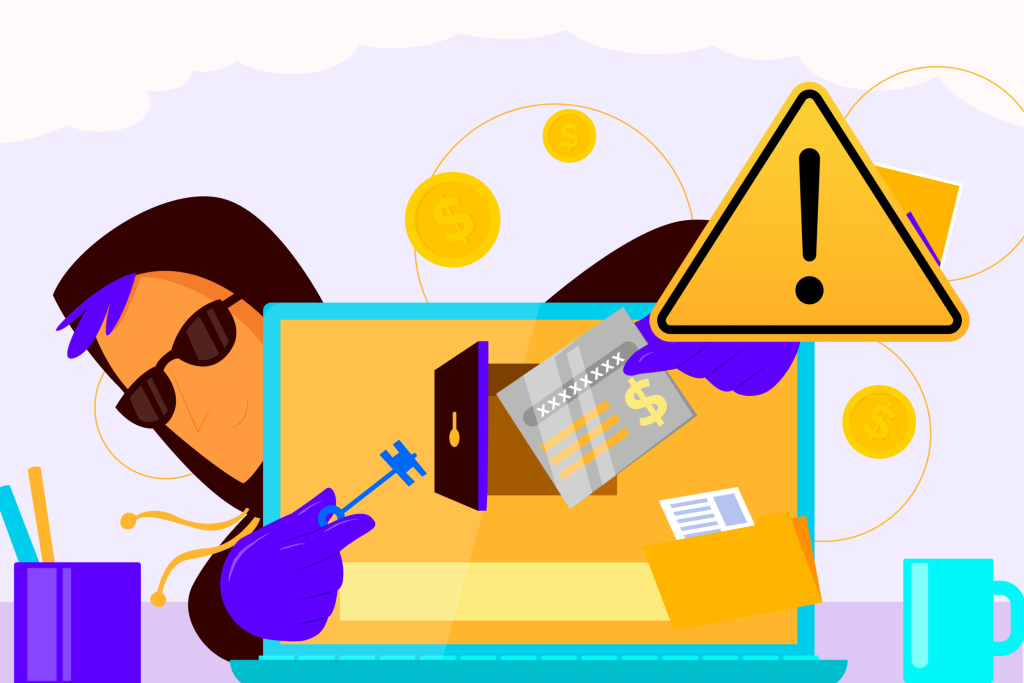
If you send or receive money across borders, you’re a target. Scammers prey on people who support families in other countries or freelancers who receive payments online. Or newcomers still finding their feet, and even small business owners.
Here are the most common ways scams happen:
- Fake remittance websites or apps: They build professional-looking platforms that offer amazing rates. Once you send money, they disappear.
- Phishing emails and texts: Messages that look like they’re from your bank or transfer service asking you to verify your account. Clicking the link sends your information straight to the scammer.
- Romance, emergency, or family scams: They pretend to be a loved one or partner in trouble. They pressure you to send money immediately.
- Fake jobs, lotteries, or investments: You’re told you’ve won something or qualified for a high-paying job, but must pay a processing fee first.
Why Scams Are Growing So Fast
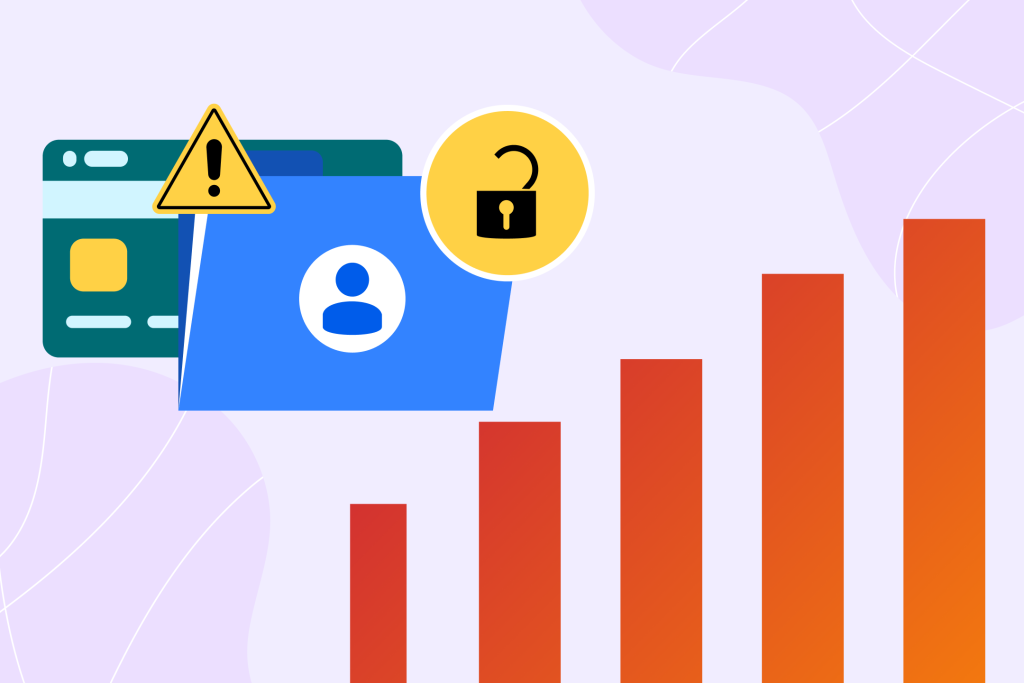
One of the biggest findings from the GASA report is how uneven scam exposure is around the world. People in places like Brazil, Hong Kong, and South Korea are hit almost daily. Meanwhile, Vietnam, China, and Saudi Arabia reported fewer scam attempts thanks to stronger awareness and prevention systems.
Jorij Abraham, GASA’s managing director, put it bluntly: “Very little has changed. Consumers still bear the brunt of over $1.03 trillion stolen by scammers.”
Scammers are not just sending fake emails anymore. They have moved to using AI tools to create convincing messages, voice clones, and realistic websites. Making it harder for one to detect whether those messages or websites are real or fake. Still, there’s a silver lining: 67% of people feel confident detecting scams, especially those in China and Australia. But confidence can also lead to complacency. The safer you think you are, the easier it becomes for scammers to slip through.
Red Flags You Should Never Ignore
Even the most advanced scams still show warning signs. When you’re unsure or if something looks too good to be true, don’t click or contact the real company directly. Here are some universal red flags:
1. They pressure you to act immediately. Urgency is the scammer’s strongest weapon.
2. They ask for unusual payment methods. Gift cards, crypto wallets, or prepaid cards always mean trouble.
3. The message has inconsistencies. Strange grammar, unexpected phone numbers, or a slightly incorrect email address.
4. They request personal information. Banks and transfer services will never ask for passwords or verification codes through email or SMS.
5. Links look almost correct. A single extra letter, a dot in the wrong place, or an unofficial domain is all it takes to fool you.
How To Check If A Money Transfer Platform Is Legit
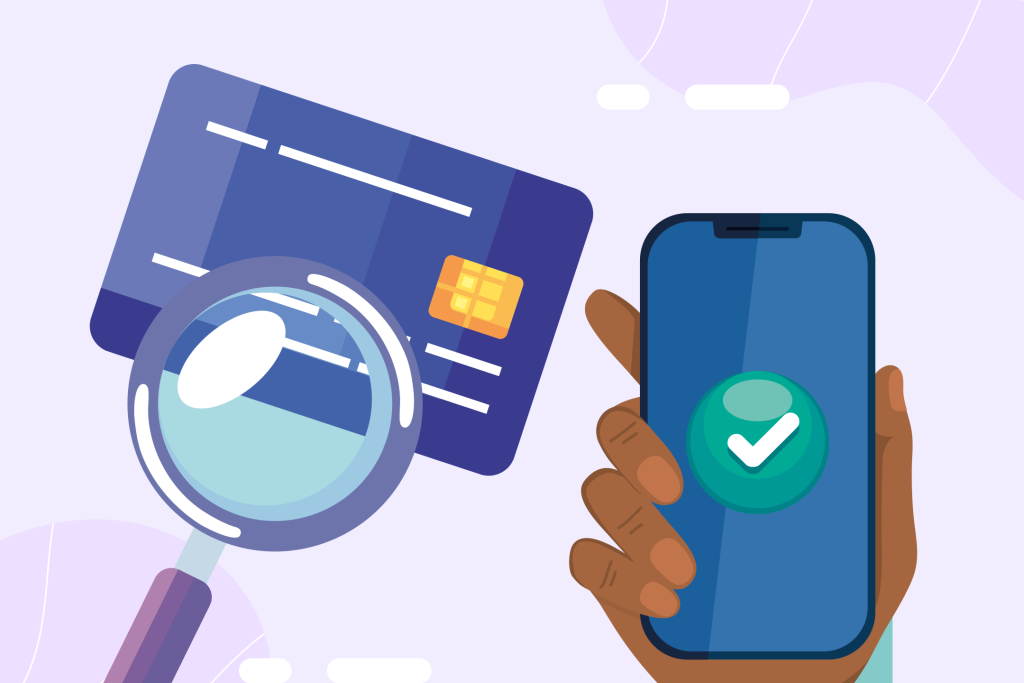
Before sending money, take 20 seconds to do these checks:
- Look for regulatory approval. For instance, in Canada, real transfer services must be regulated by FINTRAC.
- Check the website link carefully. A scam site can look identical but have a domain difference, like .info or .co instead of .com, and vice versa.
- Use only official app stores. Never download an app from a link someone sends you.
- Call customer support. Legitimate companies have trained teams, and scammers will avoid real conversations.
- Read independent reviews. Check platforms like Trustpilot, the App Store, or Google Play for user reviews.
How Scams Affect You Financially
The GASA report revealed a huge financial gap between countries. In the U.S., people lose an average of $3,520 per scam. In Denmark and Switzerland, losses are also high.
In developing countries, the damage hits harder. In Pakistan, scam losses equal 4.2% of the country’s GDP. Kenya and South Africa follow closely at 3.6% and 3.4%.
That means scams aren’t just personal problems because they affect entire national economies.
How To Protect Yourself When Sending Money
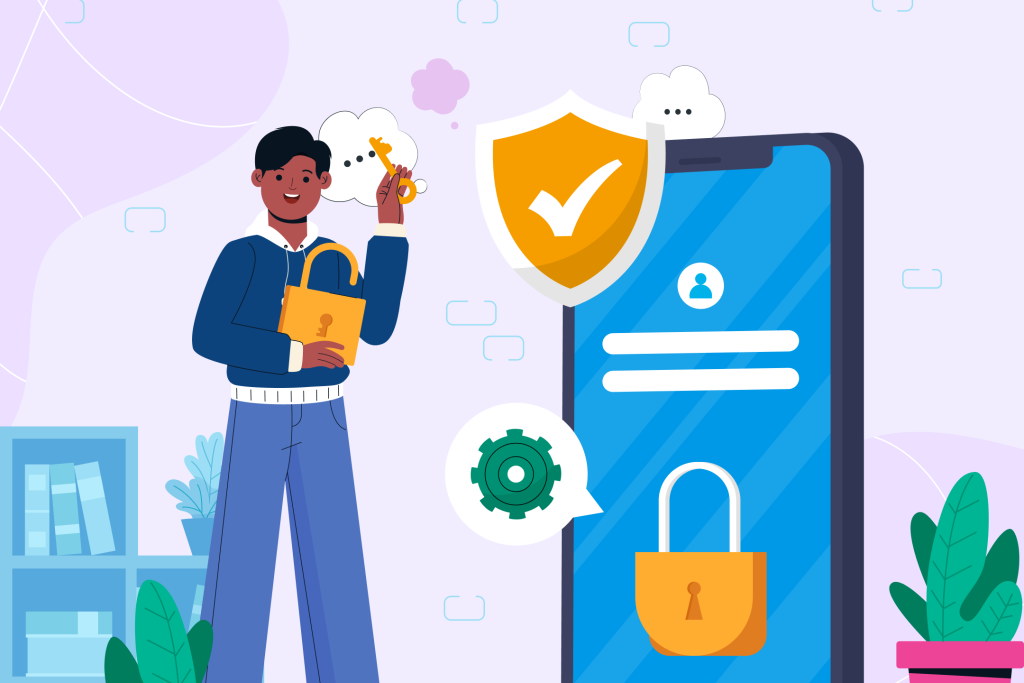
Here are habits that will keep your transfers safe:
- Use secure networks. Avoid transferring money over public Wi-Fi.
- Turn on two-factor authentication. This helps you to block most unauthorised logins.
- Update your apps often to include new security protections.
- Set alerts to help you catch suspicious activity fast.
- Never reuse passwords. A password leaked from one site can unlock your entire financial life.
- Scammers press fast buttons. Protection comes from slow habits.
What To Do If You Think You’ve Been Scammed
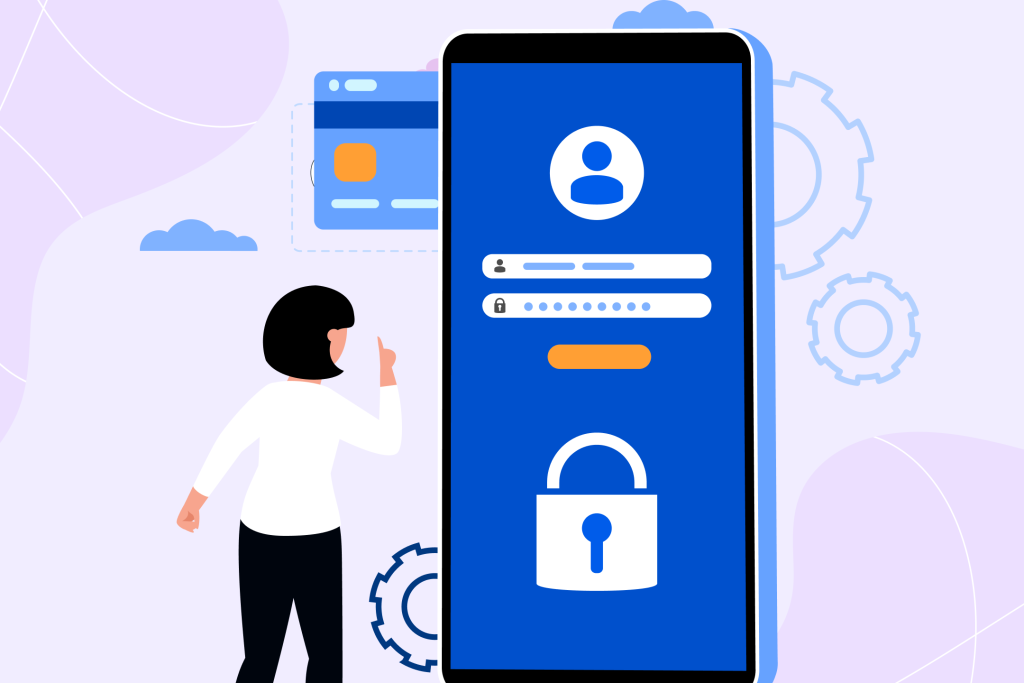
Act immediately:
1. Contact your bank or transfer platform. Sometimes transactions can be reversed if reported quickly.
2. Change your passwords. Secure your email and financial accounts first.
3. Report it. In Canada, contact the Canadian Anti-Fraud Centre. In the US, reports through the FTC. Most countries have similar agencies you can reach.
4. Warn family and contacts. Scammers may use your compromised information to target others. The sooner you act, the quicker you can recover, financially and emotionally.
Choosing Safe Transfer Platforms Matters
Not all services treat your money the same. Reliable money transfer apps like CadRemit use encryption, identity verification, and real-time tracking to protect your transfers. They also show you live rates and allow you to send money without hidden fees. Plus, it’s a secure way to send money across North America, Europe, or Nigeria.