What you need to know whether you decide to carry cash or send money when travelling home.
So, you’re already planning to make a trip back home after being away for a while, maybe months or even years. Of course, there’s a special kind of excitement that comes with it. From the people you’ll see, the food you’ll eat, the small familiar things you’ve missed.
But then here’s the question to ask yourself before booking that flight: Should I carry the money with me, or should I send it? It feels like a simple choice, but there are risks, costs, and emotional considerations wrapped inside that choice. And understanding the difference between carrying cash and sending money can help you make a decision on what to do.
Carrying Cash: The Pros And Why It Still Feels “Normal”
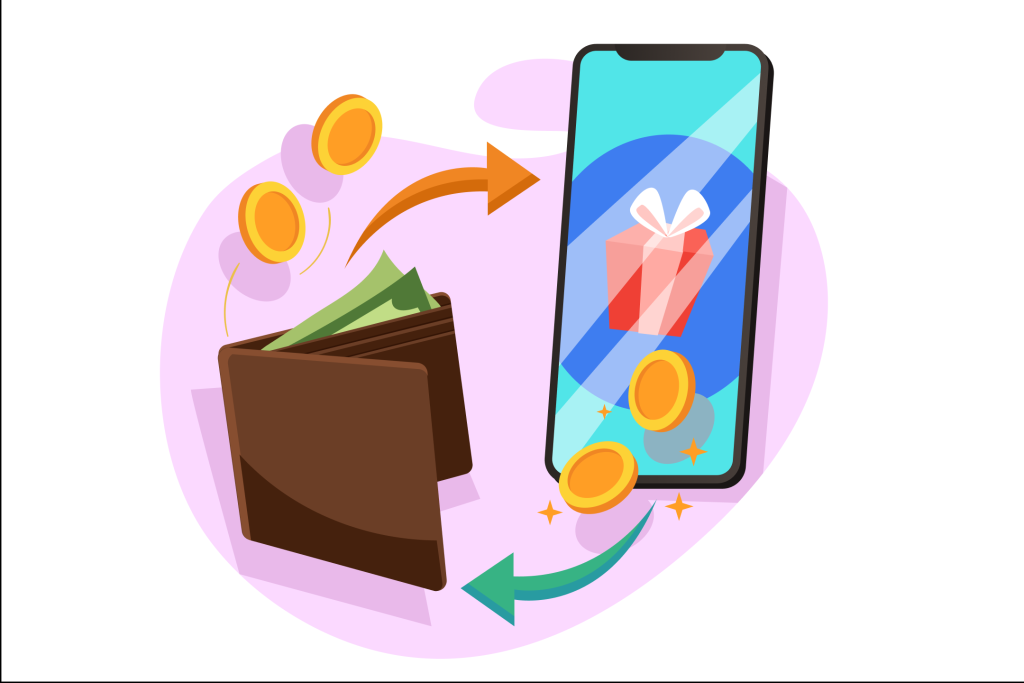
Growing up, it’s normal to see your loved ones return from abroad with gifts, cash envelopes, and clothes. So giving out cash felt normal, as “Christmas Money.” It feels personal and allows you to give money in a way that expresses care. This meant:
- Personal Touch: Giving out money to someone creates a personal connection. Because of how direct and intentional it was.
- No Transfer Fees: Carrying cash allows you to avoid certain transfer charges or conversion fees, especially if you’re withdrawing directly from your bank account in your current country.
- Convenience for gifts: It makes giving to multiple people easy, whether they are your uncles, aunties, siblings, neighbors, or your favorite street vendor; everyone gets something from you.
However, even with the emotional benefits, there are real risks and limitations to carrying large amounts of cash while traveling.
The Risks Of Carrying Cash
- Travel Safety And Theft: Airports, taxis, and transit stops are some of the easiest places for you to lose your money or be robbed. Even when you’re cautious, these things can happen.
- Legal Limits On Cash: Dealing with customs declarations that require you to report if you’re carrying more than a certain amount (e.g., $10,000 or its equivalent). Not declaring it can lead to fines or confiscation.
- Currency Exchange Issues: The rate you get when you convert foreign currency back home can sometimes be unfavorable. You may end up losing part of the value of your money without realising it.
- Pressure To Spend: Once you arrive with cash in hand, there can be social pressure to help more people than you initially planned. It’s harder to keep track or say no when everything is immediate and physical.
So, while carrying cash can feel normal, it isn’t always the most secure or strategic option.
Sending Money: A Modern, Safer Alternative
Sending money is becoming more popular, not just as a way for you to show your daily support but also when you’re preparing to travel home. It offers a way to stay organised and protected, while still supporting the people and projects that matter to you.
Advantages Of Sending Money, Instead Of Carrying Cash
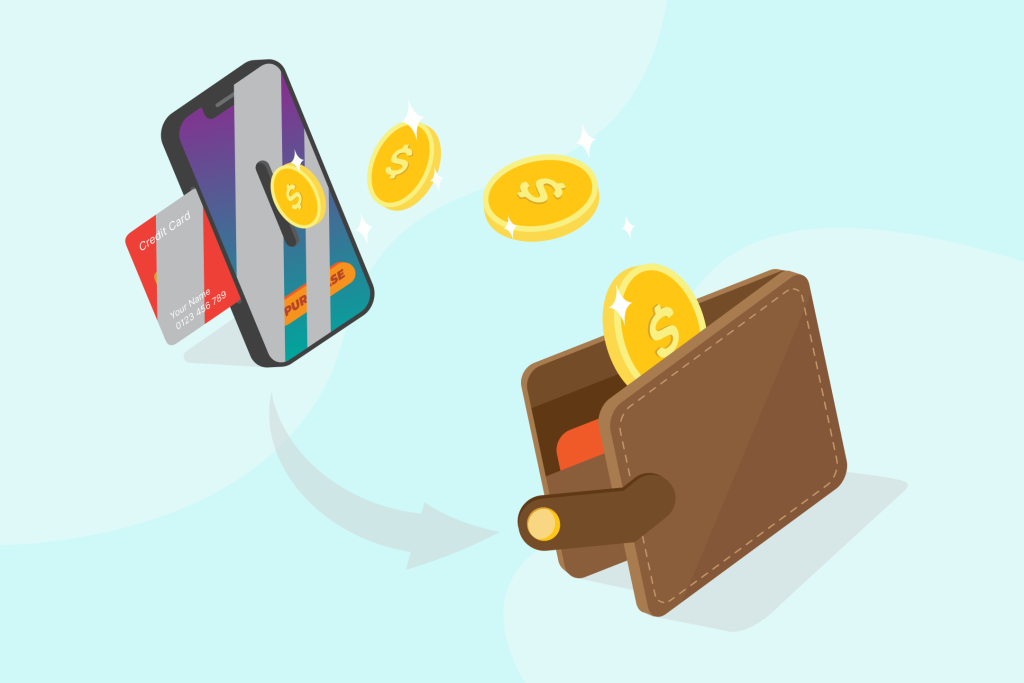
- Secure And Trackable: You don’t have to worry about losing your money while traveling. Transactions can be tracked digitally, giving you peace of mind.
- Better Exchange Rates: Using digital remittance platforms like CadRemit often offers better rates than if you decide to use physical currency exchange counters at airports and banks.
- Flexible Delivery Options: Whoever you decide to send money, would receive their money directly into their bank accounts, mobile wallets, depending on what they have available.
- Budget Management: Sending money ahead helps you plan what you’ll spend while traveling and allows your travel funds not to be mixed with family support funds. This would also help you spend smarter or go above your travel budget.
Sending money, however, is not just about tapping a send button. To do it smartly, it’s important for you to choose the right service.
Choosing The Right Way To Send Money
Here are key things to consider before sending:
Transfer fees: Fees vary widely for different apps. In fact, some are hidden. Find services with transparent pricing. With CadRemit, there are no hidden fees; what you see is what you get.
Exchange Rates: Even tiny differences affect the total value of your money you’ll have, or how much your recipient can get. So, compare rates before sending.
Speed: Sometimes you would want to move your money as quickly as you can. Using services like CadRemit offers you instant or same-day delivery.
Customer Support: If something goes wrong, you’d want help fast. And apps with reliable and responsive support channels can help escalate your issues. Using CadRemit means having access to 24/7 customer support.
Remittance platforms like CadRemit are created specifically to make this process easier, especially if you’re sending money from Canada, Europe, USA to Nigeria.
So, Which Option Makes the Most Sense When Travelling Back Home?
Carry a small amount of cash, enough for transportation, gifts, or you can spend when you’re out hanging out with your friends or loved ones, or for when you probably want to tip the waiter and driver, and also emergencies.
Send the larger portion of the money, especially amounts for savings, household support, school fees, or projects, to your recipient’s bank account before you travel. If you use CadRemit and you’re heading to Nigeria, you can first transfer the money to your Naira wallet, then move it from your wallet to any bank account there.
This way:
- You stay safe while traveling.
- You avoid currency exchange losses.
- You make sure your family receives money for the value it’s worth
- You still get to enjoy the emotional moment of giving, without unnecessary risk.
Travelling back home for the holiday is a beautiful experience that leaves you filled with memories, gratitude, and joy. Your support for your family and loved ones means a lot to them. However, it’s important you make sure that the way you give that support is also safe, intentional, and beneficial for everyone involved.
Carrying cash has sentimental weight, but sending money is secure, practical, and often the smarter way to go about it. So, plan ahead and send what matters and carry only what you need. And enjoy your homecoming fully without having to worry.